

Vancouver Trail Running: Start on Stanley Park’s Forest Trails
Want to try trail running in Vancouver without planning a mountain day? Go into Stanley Park’s forest rather than defaulting to the paved Seawall. The City of Vancouver describes more than 27 km of wide, bark-mulched interior trails and explicitly welcomes walkers and joggers. Start with a short out-and-back on a named trail, learn the junctions, then extend the next visit.
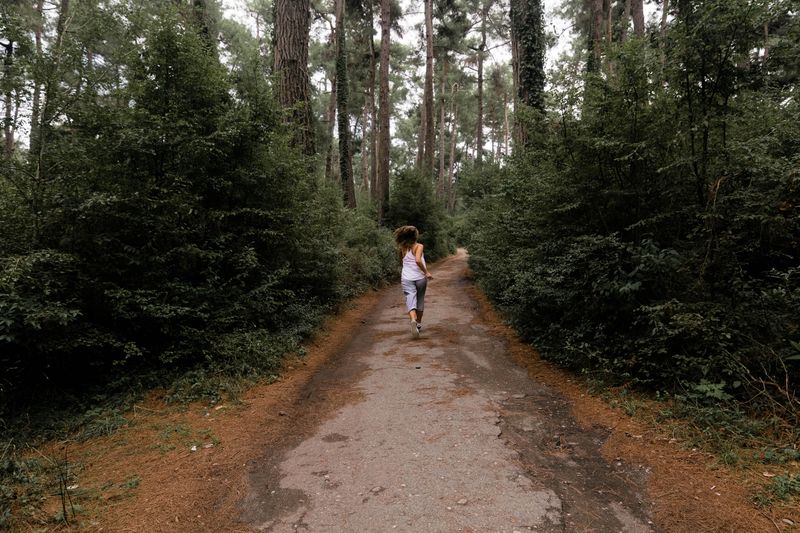
Choose forest tread, not a surprise Seawall lap
The city trail guide identifies Beaver Lake Trail and the Ravine Trail as useful landmarks. Ravine Trail leads from the Seawall at Beaver Creek toward Beaver Lake and is described as wheelchair accessible. The broader forest system includes routes such as Rawlings, Third Beach and Siwash Rock trails. Those names are navigation anchors, not an instruction to connect every line into one first-day loop.
Open the official trail map before you arrive. Pick one entrance, one turn-around landmark and the same exit. If this is your first self-planned outing, use our trail route planning checklist to set a simple return plan. If you want a simple contrast, the Seawall is paved and mainly flat, whereas the interior paths give softer footing, tree cover and more junctions. Keep to the pedestrian side when crossing or using the Seawall; the city’s map separates it from the cycle path.
Conditions can change the best line
Rain can leave bark mulch slick and low spots wet. Walk the awkward patches rather than eroding the edge. The park guide tells visitors to respect seasonal trail closures during coyote denning; forest maintenance can also affect access. Check city notices and signs at the entrance. A closed shortcut is not a reason to cut through vegetation.
Stanley Park is busy even when the inner trail feels quiet. Slow around blind bends, give walkers space and keep enough awareness to hear other users. The park’s washrooms are not a substitute for carrying water on your route, and hours or services may change with the season. Our water-carry guide can help you decide what to bring for your chosen time and conditions.
A useful first-run plan
- Save the city map and choose an open entrance near the section you want to explore.
- Run easy toward Beaver Lake or another named landmark, then return on the same trail.
- Allow time for wet footing and junction checks rather than setting a pace goal.
- Bring water and a light layer for the forecast.
- Follow current closure signs; choose a different authorized path if needed.
This is a good place to learn trail habits in a city setting. The reward is a repeatable run you can navigate calmly, not the number of paths you tick off in one outing.
Image: Mx. Granger, CC0 1.0, via Wikimedia Commons.
